43% of UK contact centres now use some form of AI routing, up from 12% in 2023. But simply answering calls with a machine is no longer enough. The real shift happening in Q2 2026 is the convergence of AI voice agents with deep customer experience analytics.
For years, contact centres have treated their predictive diallers, voice infrastructure, and analytics platforms as separate silos. You dialled out, you managed the call, and days later, someone looked at a dashboard to see what went wrong. That approach doesn't work for most operations today.
Here's the honest answer: if your analytics aren't triggering actions in real time, you are leaving money on the table and frustrating your customers.
Moving Beyond the Retrospective Dashboard
Traditionally, customer experience analytics told you what happened yesterday. A compliance breach during a call, a frustrated customer hanging up, or a spike in dropped calls on your predictive dialler.
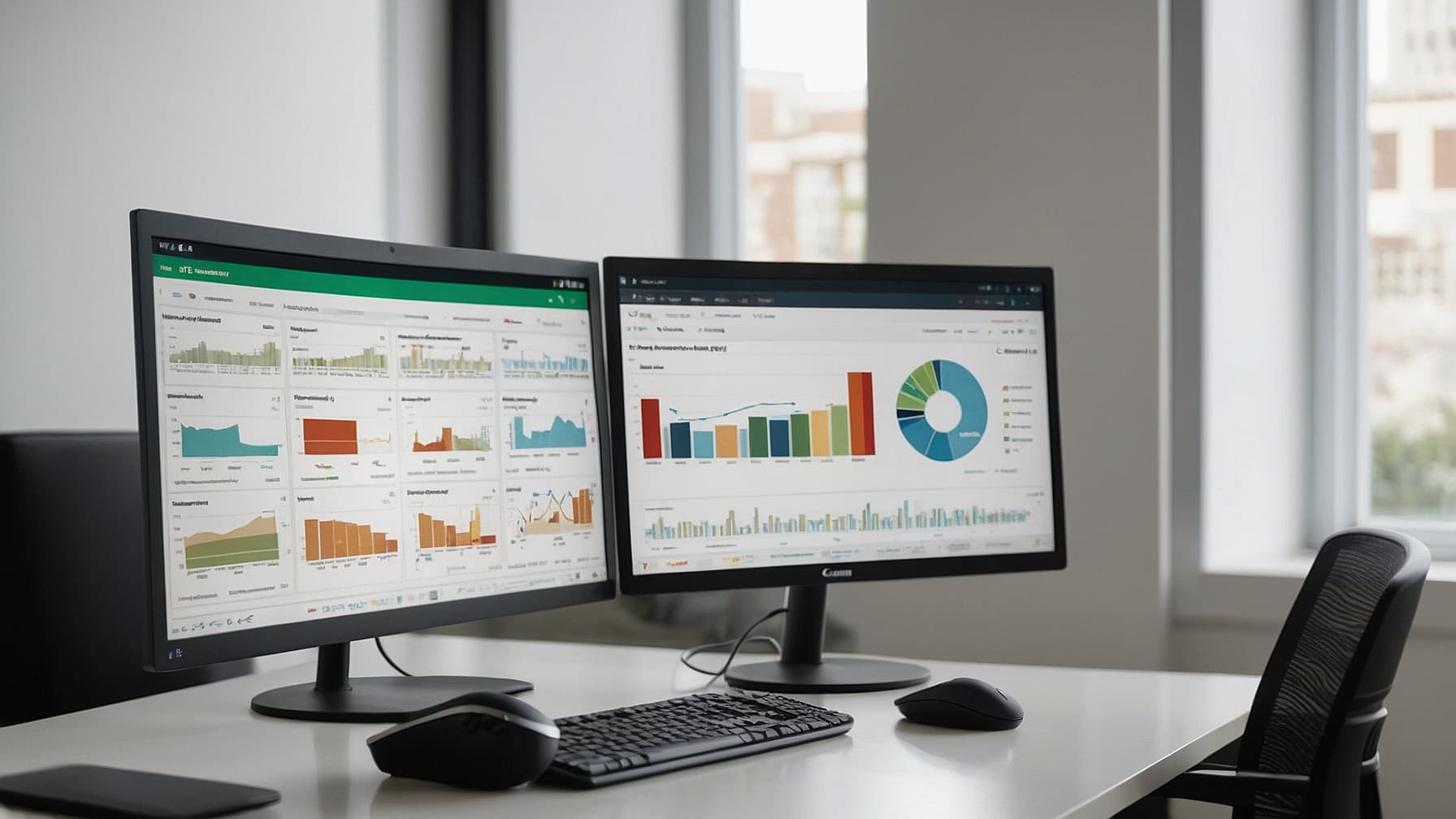
With platforms like Hostcomm's CXCortex, the paradigm shifts from passive reporting to active orchestration. The analytics engine constantly monitors the floor—transcribing calls, analysing sentiment, and tracking compliance markers in real-time. But the critical difference is what happens next.
When CXCortex detects a distressed customer or a complex compliance requirement, it doesn't just log it for a QA manager. It dynamically interfaces with the Persona platform to adjust the routing, whisper instructions to a human agent, or hand the call over to a specialised AI voice agent designed to de-escalate the situation.
Orchestrating the Outbound Campaign
Consider an outbound campaign using predictive diallers. The goal is right-party contact. But when you do connect, the quality of that interaction determines the ROI.
Instead of throwing every connected call to a busy agent pool, modern setups use AI voice agents as the frontline triage. The Persona platform can verify the contact, handle simple qualifying questions, and gauge intent. If the query requires a human touch—or if the customer's sentiment drops—the call is instantly escalated to an agent, complete with a full transcript and sentiment analysis from CXCortex.
This isn't about replacing humans; it's about making sure your human agents only spend their time on conversations that require empathy, negotiation, or complex problem-solving.
The Role of Remote Visual Assistance
Sometimes, words aren't enough. In field service or complex technical support, explaining a flashing red light on a router or a faulty boiler valve over the phone is an exercise in frustration.
This is where integrating tools like RVX (Remote Visual Assistance) becomes a necessity. An AI voice agent can initiate the interaction, but when it detects a physical hardware issue via natural language processing, it can immediately offer the customer an SMS link to open a secure video feed.
The human agent takes over the video session, guiding the customer to a resolution without an expensive truck roll. We are seeing organisations cut their site visits by up to 30% simply by bridging voice AI with visual assistance.
Getting the Fundamentals Right
That said, bringing these technologies together requires a solid foundation.
You need a cloud architecture that supports rapid API integration. You need compliance frameworks built into the DNA of the system—recording, redaction, and consent management. And you need a team that understands how to train an AI to represent your brand accurately.
The technology is ready. The question is whether your operational processes are flexible enough to take advantage of it.
If you're still treating your AI voice agents and your analytics as separate projects, it's time to rethink your architecture. The future belongs to those who connect the dots.
Contact our team to discuss how Hostcomm can help orchestrate your contact centre technology.