In 2020, the UK facilities management market was valued at USD 63.97 billion, and it is expected to reach USD 73 billion by 2026. It is, according to the British Institute of Facilities Management, regarded as the most competitive and mature in Europe. With the end of the pandemic, or at least a pathway to a new normal emerging, there is cautious optimism in the sector for a return to growth; however, COVID has transformed aspects of the industry, providing new challenges to solve: there are headcount shortages in some areas – for example, building operations and maintenance; and there is a rush in demand for strategic planning and innovation to drive efficiencies across all processes.
In the UK Facilities Market Survey, Paul Bagust, RICS Head of Land and Property Standards, commented: "As commercial market sentiment starts to become more optimistic the FM sector will play a very central role its recovery and future performance. With a rush to quality expected but restraints on budgets, inevitable facilities managers will be critical to delivering innovative real estate strategies and solutions. There are encouraging signs of cautious optimism in the sector and FM professionals will continue to be at the heart of delivering safe, sustainable and high performing environments."
With these challenges in mind, whether you operate in the public sector (NHS, Government, or Schools & Colleges) or private sector (Retail, Commercial offices, Manufacturing & Industrial, Student Accommodation, or Social Housing), read on to discover how remote visual assistance (RVA) technology can help your facilities management organisation more easily meet future challenges and drive operational efficiency.
What is Remote Visual Assistance Technology?
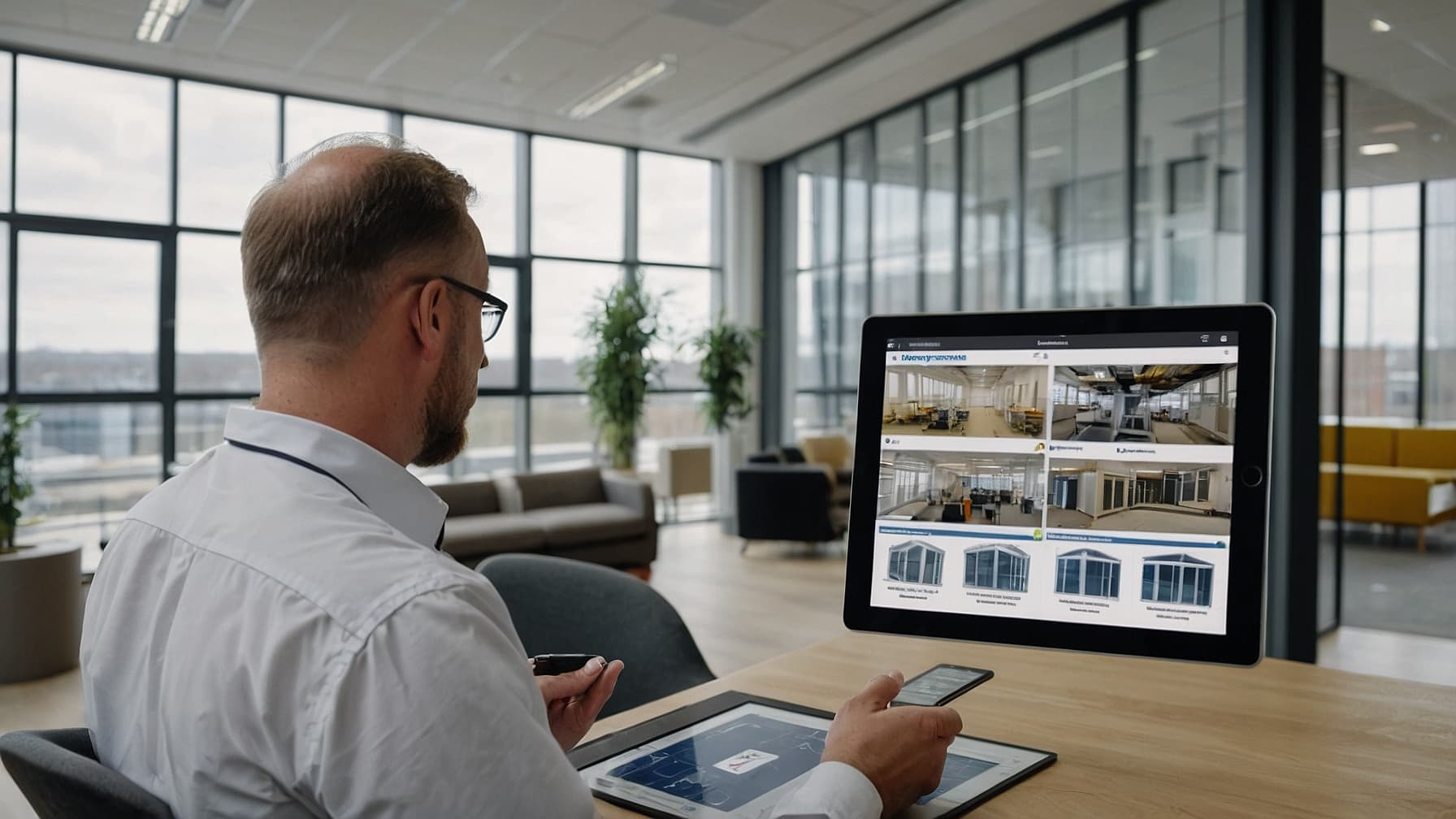
Remote visual assistance technology, or remote visual inspection, is a relatively new technology whose usage case has matured, in particular since the pandemic, so that it is now delivering real operational efficiency and customer service improvements to businesses across a number of industries. Remote visual assistance works by allowing the user to take over the smartphone of the person in the field and help them through solving a problem by using augmented reality to annotate on their screen. These features are helping customer service teams to solve problems faster and improve their Net Promoter Score, drive efficiencies for field service teams, and allow inspectors to carry out evaluations without being present.
Sustainability Management
Reducing our carbon footprint is a priority for everyone, whether a private citizen or a business. It is a moral imperative, but now also a regulatory one, and a key part of an organisation's ESR rating – If a business has a bad reputation and public standing in this area, it can even mean they are unable to recruit the staff they want, who are likely invested in the importance of environmental action.
Remote visual assistance helps to enable a business to become more sustainable in several ways:
In the first case, it reduces the number of trips that have to be made to solve a problem. Whether you manage commercial offices, a hospital, or an industrial site, it is likely you will have customers who call you to help solve an issue, and you will have technicians who then usually must go onsite. With remote visual assistance a customer service agent's ability to take over the camera of the caller's smartphone and look at, for example, a tenant's boiler, will enable them to diagnose the problem more easily remotely and thus reduce the likelihood that an engineer needs to be called out. Even when an engineer has to be called, video means they benefit from more accurate insights into the problem, the likelihood they can first accurately get the boiler serial number, and the ability to call a supervisor if there are any more complex issues; this results in a much higher rate of callouts resolved first, eliminating the need for another trip.
In the second instance, energy audits are a key part of improving sustainability; however, in the past, the high cost of getting one has held back many smaller and medium-sized businesses. Remote visual assistance enables that energy audit to be done remotely and surveyors to therefore offer more competitive pricing to those businesses with less deep pockets.
Key Benefits for Facilities Management
Remote visual assistance technology offers several key advantages for facilities management organisations:
Reduced Travel Costs and Time
By enabling remote diagnosis and support, RVA significantly reduces the need for technician call-outs, saving both time and money on travel expenses. When technicians do need to visit sites, they arrive better prepared with accurate information about the issue, leading to higher first-time fix rates.
Improved Response Times
Customer service agents can provide immediate visual support to site managers and tenants, dramatically reducing response times for maintenance issues. This leads to improved customer satisfaction and helps maintain service level agreements.
Enhanced Training and Knowledge Transfer
Remote visual assistance allows experienced technicians to guide less experienced staff through complex procedures in real-time, accelerating training and ensuring consistent quality across your organisation.
Better Data Capture and Compliance
RVA systems typically include features for capturing photos, videos, and other data during remote inspections, creating comprehensive audit trails and supporting compliance with health and safety regulations.
Scalability Without Additional Headcount
As your facilities management portfolio grows, RVA enables you to handle increased demand without proportionally increasing your workforce, addressing the headcount shortage challenges facing the sector.
Conclusion
As the UK facilities management sector continues to evolve in the post-pandemic environment, remote visual assistance technology offers a practical solution to many of the challenges facing the industry. By reducing travel costs, improving response times, enhancing sustainability efforts, and enabling better training and knowledge transfer, RVA can help facilities management organisations deliver better service while controlling costs.
Whether you manage healthcare facilities, commercial properties, educational institutions, or industrial sites, remote visual assistance can provide a competitive advantage and help position your organisation for success in 2022 and beyond.