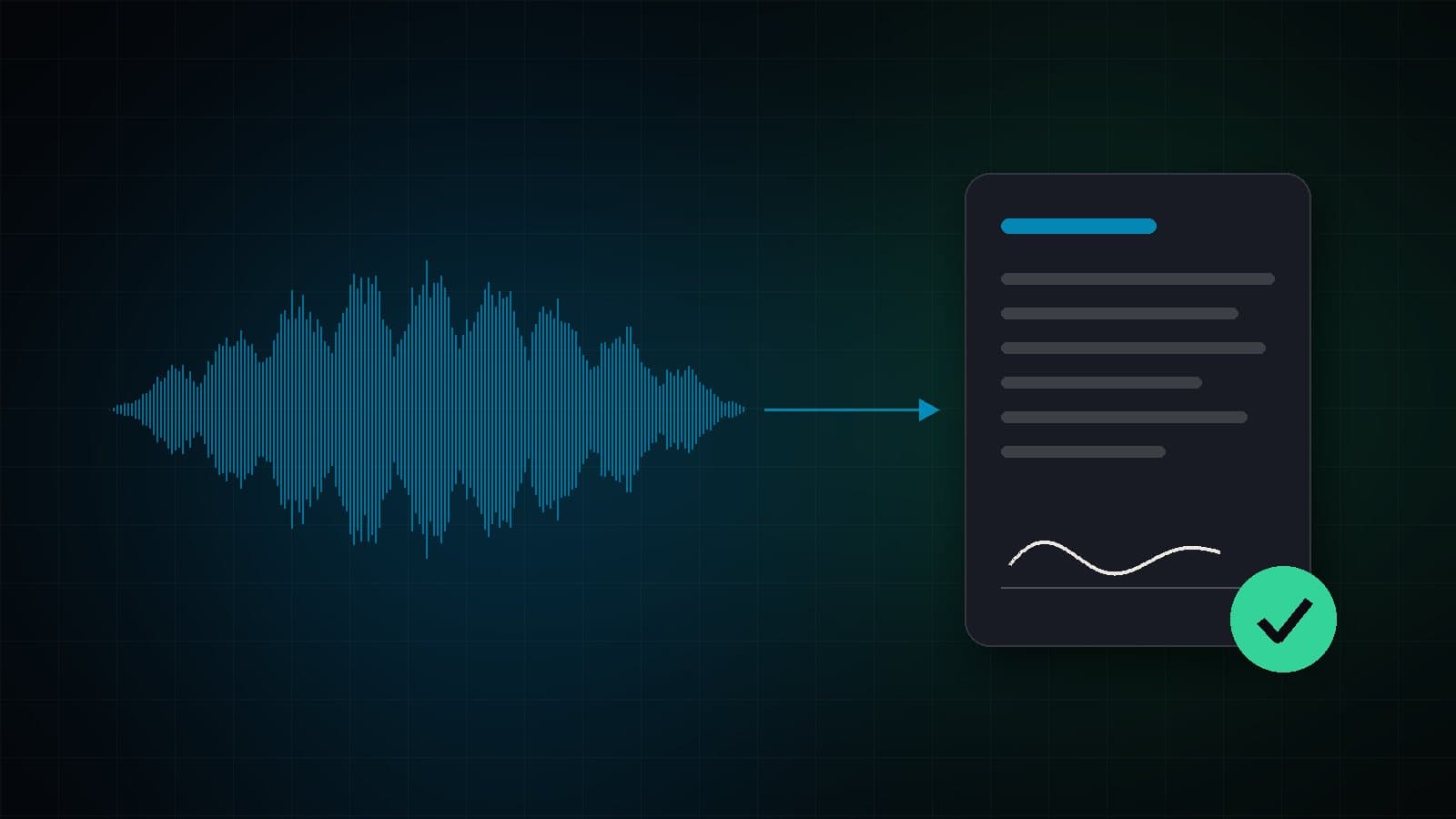
You had a great call. The business owner said yes. You sent the Letter of Authorization. Three days later, still nothing. You follow up. They say they'll get to it. Another broker calls them that afternoon, gets it signed on the spot, and locks in the account.
That gap between "yes" and a signed LOA is where most commercial energy deals go to die. The fix isn't chasing harder—it's removing the gap entirely by getting the LOA signed before you hang up.
Why Switches Stall Between Call and Contract
The LOA is the key that unlocks the account. It authorizes the broker to pull 12 months of interval usage data from the utility—without it, there's no consumption history and no price quote. No quote means no deal.
Here's the standard hand-off chain, and where each step leaks:
- Call ends with a verbal yes. The decision maker is warm. The moment passes.
- Broker emails the LOA as a PDF attachment. The email lands in a busy inbox. The attachment looks like more admin.
- Recipient needs to print, sign, and scan or DocuSign it. Most don't do this immediately. Some never do.
- Broker follows up—once, twice, three times. Every follow-up dilutes urgency and goodwill.
- A competitor calls. They send their LOA. Or they have a process to get it signed live. They win the account.
The leaks are predictable: the delay between call and email, the friction of signing, the wrong person opening the email, and the cold window that opens every hour the document is unsigned.
What an LOA Is and Who Must Sign It
A Letter of Authorization is a signed document granting the broker permission to access the business's utility account data—specifically interval usage history—so they can obtain a competitive quote from suppliers.
The critical detail: it must be signed by an authorized signatory—the person who holds legal authority to make decisions on behalf of the business. Not the office manager. Not a receptionist. Not someone who says "the owner said it's fine." If the wrong person signs, the utility may reject it, and your quote pipeline collapses.
Each utility and state handles LOAs differently. In Texas, for example, usage history for commercial accounts enrolled in smart metering flows through the Smart Meter Texas portal. An LOA must conform to Electric Reliability Council of Texas (ERCOT) requirements and identify the correct ESI ID (electric service identifier) for each premise. Sending a generic LOA to a Texas business without confirming the ESI ID structure is a common cause of rejection.
Before any call, confirm: who is authorized to sign in this organization, and which utility accounts are in scope?
Getting It Signed on the Call
E-signatures are legally binding under the federal Electronic Signatures in Global and National Commerce Act (ESIGN Act, 15 U.S.C. § 7001 et seq.). A signature obtained via DocuSign or a comparable platform carries the same legal weight as ink on paper. There is no reason to wait until after the call.
Here's the workflow that closes the gap:
- Guided qualification. Before any document moves, confirm the basics: number of sites, number of meters, current supplier, approximate rate per kWh, and contract end date. This doubles as qualification and builds the rapport that makes the signing feel logical rather than rushed.
- Verify the decision maker is on the call. If you're speaking with someone who can't sign, stop. Ask them to connect you with the authorized signatory before going further.
- Send the intro email live. While you're still talking, send a short email to the decision maker's inbox: "As we discussed, here's your Letter of Authorization for [utility account]. It takes about 60 seconds to sign." The email arrives while they're already engaged with you.
- Send the DocuSign LOA. Trigger the envelope from your CRM or dialer integration. Walk them through it on the call: "You should see an email from DocuSign—can you open it now?"
- Track signing status in real time. A good integration surfaces document status as it changes, so you can see when the envelope has been opened and when it's signed—without leaving the call or the screen.
- Confirm and close. Once signed, confirm receipt, outline next steps (you'll pull usage data, obtain supplier quotes, and be back in touch within X business days), and log the call with a timestamp.
- Push the signed copy to the CRM. The completed document, signing timestamp, and audit trail go into the account record automatically.
Every hour between "yes" and a signed LOA is a chance for another broker to call.
B2B Calling Rules That Still Apply
A common misconception among energy broker teams is that business-to-business calling is a compliance-free zone. It is not. Several federal and state rules apply regardless of whether the called party is a business.
Note: The following is an overview for general awareness only and is not legal advice. Verify the current scope of every rule with qualified legal counsel before designing your calling program.
| Rule | Applies to B2B? | What it means for brokers |
|---|---|---|
| FTC Telemarketing Sales Rule — misrepresentation | Yes, since the 2024 amendment | No misleading savings claims or false utility-affiliation claims (the TSR's new recordkeeping rules do not apply to B2B calls) |
| FTC Do Not Call Registry | Generally no for B2B lines | But many small-business numbers are the owner's personal cell—those lines may appear on the registry |
| TCPA (autodialed or pre-recorded calls to cell phones) | Yes, whoever answers | Consent rules apply to any mobile number; AI-generated voices count as artificial or pre-recorded messages under TCPA |
| State calling hours and call-frequency limits (FL, OK, MD) | Check each statute's scope | Florida, Oklahoma, and Maryland cap calls at 3 per number per 24 hours; calls must stop by 8 PM local time where these statutes apply |
| Broker registration (PUCT, PA PUC, PUCO, ICC) | Yes | You must register in each choice state before soliciting customers there |
The 2024 FTC amendment is particularly relevant: it extended the TSR's prohibition on misrepresentation to business-to-business telemarketing calls. Claiming you represent the utility, overstating guaranteed savings, or misrepresenting contract terms exposes the brokerage—not just individual agents—to FTC enforcement.
Broker Licensing
Most deregulated energy states require commercial energy brokers to register with the relevant public utility commission before soliciting customers. Operating without registration is not a gray area—it is a regulatory violation that can result in fines and license revocation.
Key registrations by state:
- Texas: PUCT registration under 16 TAC §25.112 — Public Utility Commission of Texas
- Pennsylvania: PA PUC broker license — Pennsylvania Public Utility Commission
- Ohio: PUCO certification — Public Utilities Commission of Ohio
- Illinois: ICC retail electric supplier or broker registration — Illinois Commerce Commission
Check your state commission's current requirements before your first dial into a new market. Requirements change, and some states have multi-step registration processes that take weeks to complete.
What to Look for in a Broker Dialer
The right dialer does more than move through a list faster. For commercial energy brokers, it should support the full in-call LOA workflow.
Checklist:
- CRM integration — Account data, signed LOA status, and call recordings flow into a single record without manual entry
- Real-time document status — Agents can see DocuSign envelope status without leaving the dialer screen
- Built-in compliance controls — Calling hours, contact-frequency limits per number and your do-not-call list, enforced on every dial
- Call recording — For coaching, quality checks and settling disputes about what was said
- Supervisor monitoring — Live call listening and whisper coaching for agents who are still learning the LOA conversation
Connecta by Hostcomm is built for exactly this use case: outbound B2B calling with integrated document tracking, calling hours and contact-frequency limits set per campaign, and CRM export that keeps the signed LOA attached to the account from the moment it's completed. See the full Connecta feature list and FAQ.
Frequently Asked Questions
How do commercial energy brokers get a Letter of Authorization signed faster?
The most effective method is to initiate the signing process during the call rather than after it. Send a DocuSign envelope to the decision maker while they are still on the phone, walk them through opening it, and confirm the signature before hanging up. This eliminates the multi-day follow-up cycle and prevents competitor brokers from intercepting the account during the delay.
Can an LOA be e-signed during the sales call?
Yes. E-signatures are legally binding under the federal ESIGN Act (15 U.S.C. § 7001). A DocuSign or equivalent e-signature obtained during the call carries the same legal weight as a handwritten signature. Most utilities and suppliers accept e-signed LOAs. Confirm with the specific utility before your first submission if you are in a new market.
What calling rules apply to B2B energy broker cold calls?
Several rules apply even when calling businesses. The FTC Telemarketing Sales Rule's misrepresentation provisions cover B2B calls since the 2024 amendment. The TCPA applies to any autodialed or pre-recorded call to a mobile number, regardless of whether the subscriber is a consumer or a business owner. State-level rules in Florida, Oklahoma, and Maryland cap call frequency at three contacts per number per 24 hours. And broker registration requirements apply in most deregulated states before you solicit any customers there. This is not legal advice—verify requirements with counsel.
What's the best dialer for commercial energy brokers?
The best dialer for B2B energy brokers combines outbound call management with real-time document tracking, calling-hours and contact-frequency controls you can set per campaign, and CRM integration. Connecta by Hostcomm is purpose-built for this use case, with in-call DocuSign status tracking, contact-frequency limits per number, and call recording. See the energy broker configuration here.
Ready to close more switches in a single conversation? Connecta gives your team the dialer, document tracking, and compliance controls to get the LOA signed before hanging up.
Talk to Hostcomm about your broker setup